



October 16, 2026
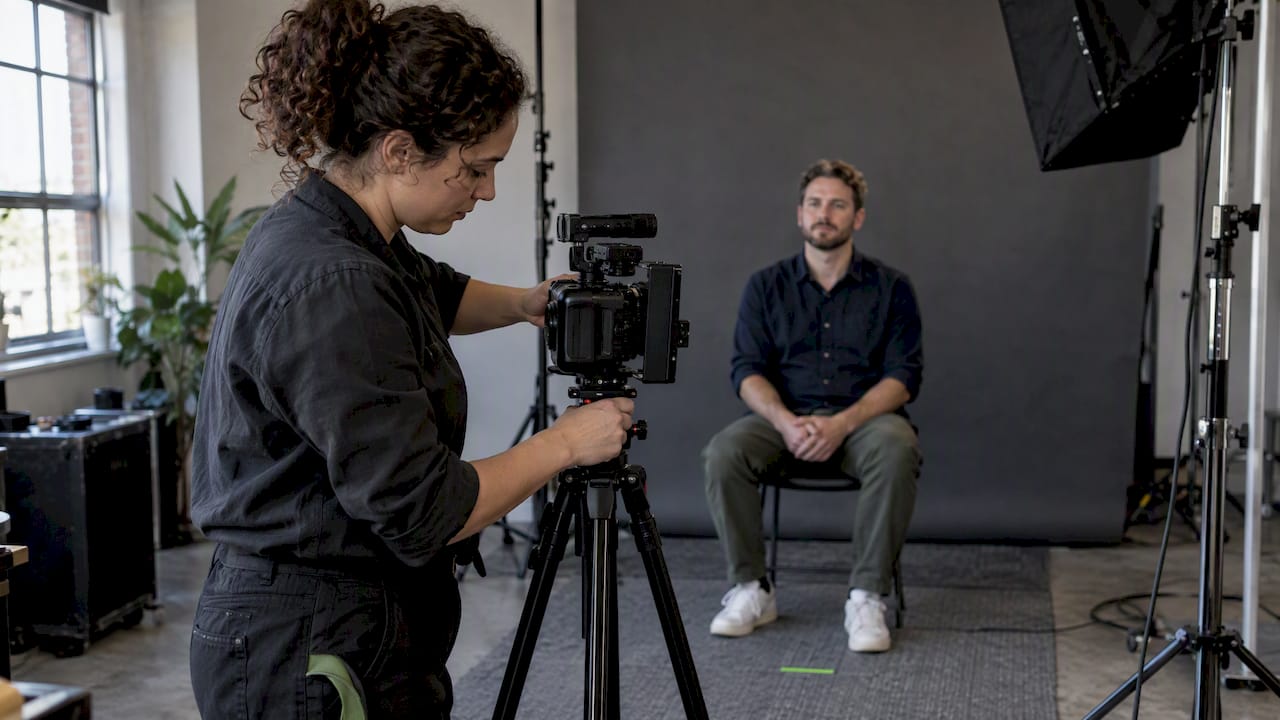



The most effective event marketing strategies start with one decision made before any venue is booked or email is drafted: defining exactly why the event exists and who it is for. Without that clarity, every tactic that follows, from social media campaigns to speaker lineups, operates without direction. The professionals who consistently produce high-performing events treat the 5 C’s framework (Concept, Coordination, Content, Communication, and Culmination) as their operating system, and they lean on owned media channels before spending a dollar on paid ads.
Here is what the strongest event marketing programs have in common:
- They define a single, measurable business objective before any logistics begin
- They build audience profiles around mindset and expectations, not just demographics
- They exhaust owned email lists and past attendee databases before turning to paid advertising
- They use platforms like Cvent, Bizzabo, and EventMobi to unify registration, engagement, and analytics
- They run sequenced email campaigns with confirmation, agenda previews, speaker spotlights, and reminders
- They measure registrations achieved versus goals and cost per registration, not total impressions
- They repurpose event content into clips, quotes, and recap blogs to extend value long after the event ends
The sections below walk through each of these areas in depth, from foundational concepts and planning steps to digital tools, email and social tactics, and the research-backed frameworks that tie everything together.
Table of Contents
- What is event marketing and why does it matter?
- How to build a strong event marketing plan from the ground up
- Which digital tools give your event marketing the biggest advantage?
- How to use email and social media to fill seats and build buzz
- The 3 Es and 5 Cs: frameworks that make event marketing work
- How Ideastreammarketing helps you bring event marketing to life
- Key Takeaways
- FAQ
What is event marketing and why does it matter?
Event marketing is the practice of designing and promoting live, virtual, or hybrid experiences to advance specific business goals. Those goals range from generating qualified leads and launching products to deepening customer relationships and reinforcing brand credibility. What separates event marketing from general event planning is the emphasis on measurable outcomes tied directly to the marketing funnel.
The strategic importance of getting the “why” and “who” right at the outset cannot be overstated. A product reveal demands an immersive, tactile experience. A leadership summit prioritizes authority and peer credibility. A community conference needs networking architecture built into every session. Each objective calls for a different experience design, and conflating them produces events that feel unfocused.
Common event formats each serve distinct marketing purposes:
- In-person events: Conferences, trade shows, brand activations, product launches, and networking dinners
- Virtual events: Webinars, online summits, digital product demos, and live-streamed panels
- Hybrid events: Combinations of physical and digital attendance, expanding reach without sacrificing depth
- Experiential activations: Pop-ups, immersive brand experiences, and interactive installations designed for social sharing
Platforms like Cvent, Bizzabo, and EventMobi support all of these formats by handling registration, mobile apps, and real-time analytics in one place. Choosing the right platform early shapes how well you can track and act on attendee data throughout the event lifecycle.
How to build a strong event marketing plan from the ground up
Planning an event without a written strategy is the fastest path to budget overruns and underwhelming attendance. The planning phase is where event marketing best practices either take root or get skipped entirely.
Step-by-step planning process
- Define your business objective. Tie the event to a specific outcome: pipeline generated, leads captured, product units sold, or community members retained. Vague goals produce vague results.
- Identify your audience segment. Go beyond job title and industry. Ask what this audience values, what level of interactivity they expect, and what emotional response the event should trigger.
- Set a realistic budget. Allocate across venue, production, promotion, technology, and contingency. Build in a buffer for last-minute vendor changes or weather-related adjustments.
- Choose your format and venue. Match the format (in-person, virtual, hybrid) to audience preference and business objective, then select a venue that supports the experience architecture you need.
- Build your content lineup. Curate speakers, workshops, and activities that align with the event’s core theme. Every session should serve the objective, not just fill time.
- Create a master timeline. Work backward from the event date. Include milestones for venue contracts, speaker confirmations, email campaign launches, social media pushes, and post-event follow-up.
- Negotiate contracts carefully. Secure written agreements with vendors covering cancellation terms, force majeure clauses, and payment schedules. Contingency planning is not optional.
- Launch promotion in phases. Start with owned channels, then layer in organic social, speaker amplification, and paid ads only after exhausting lower-cost reach.
- Execute on-site logistics. Plan attendee flow, signage, staffing, and real-time communication protocols before the day arrives.
- Close the loop post-event. Send surveys, analyze conversion data, and distribute follow-up content within 48 hours while the experience is still fresh.
Budgeting and cost management
Budget discipline separates professional event marketers from those who wing it. Prioritize spending on the elements that directly affect attendee experience and conversion: venue quality, speaker caliber, and technology infrastructure. Marketing spend should skew toward owned channels first, since owned media channels like existing email lists and past attendee databases generate the highest registration conversions at the lowest cost. Paid advertising makes sense as a supplement once organic reach is maximized, not as the primary driver.
Key budget line items to track:
- Venue rental and on-site production
- Speaker fees, travel, and accommodations
- Event technology (registration platform, mobile app, streaming)
- Email marketing and design assets
- Paid social and search advertising
- Post-event content production (video recap, blog, clips)
Which digital tools give your event marketing the biggest advantage?
The right technology stack turns a good event into a measurable one. Event management platforms, CRM integrations, and analytics dashboards work together to give you a complete picture of what is working before, during, and after the event.

Core platforms and their roles
| Tool Category | Primary Function | Strategic Value |
|---|---|---|
| Event management platform | Registration, ticketing, attendee data | Centralizes logistics and captures first-party data |
| Mobile event app | Agendas, networking, live polls | Improves real-time engagement and satisfaction |
| CRM integration | Lead capture, follow-up automation | Connects event data to sales pipeline |
| Email marketing platform | Sequenced campaigns, segmentation | Drives registrations and nurtures attendees |
| Analytics dashboard | Conversion tracking, ROI reporting | Focuses measurement on outcomes, not vanity metrics |
| Social media scheduling tool | Pre-event content, live updates | Maintains consistent brand presence across channels |
Platforms like Cvent, Bizzabo, and EventMobi stand out because they combine registration management, mobile event apps, and real-time analytics in a single environment. Bizzabo, for example, is recognized on G2 and Gartner Peer Insights for its attendee engagement features and CRM connectivity. EventMobi excels at mobile app customization for conferences and trade shows, while Cvent is widely used for large-scale corporate events requiring complex logistics management.
What your event website must do
Your event landing page is the single highest-leverage conversion asset in your marketing mix. It needs to answer four questions immediately: What is this event? Who is it for? Why should I attend? How do I register? Every element, from the headline to the speaker photos to the registration button, should serve one of those four answers.
Key elements of a high-converting event landing page:
- A clear headline stating the event name, date, and location
- A concise value proposition (what attendees will gain)
- Speaker or presenter profiles with credibility signals
- Social proof such as past attendance numbers or testimonials from previous events
- A single, prominent call-to-action button above the fold
- Mobile-optimized design, since a growing share of registrations happen on phones
Measuring what actually matters
Conversion-based metrics like registrations achieved versus goal and cost per registration give you a far clearer picture of event impact than total impressions or social reach. Build your analytics dashboard around these numbers from day one. Track registration velocity (how fast sign-ups accumulate over time) to identify when promotional pushes are working and when they need adjustment. Post-event, measure session attendance rates, survey completion rates, and lead-to-opportunity conversion to assess actual ROI.
Pro Tip: Set up UTM parameters on every promotional link before your campaign launches. This lets you see exactly which channel, email, or social post drove each registration, so you can double down on what works for the next event.
How to use email and social media to fill seats and build buzz
Email and social media are the two highest-return promotion channels for most events, and they work best when they are coordinated rather than run as separate efforts. The goal is a consistent narrative that builds anticipation, converts registrants into advocates, and sustains engagement long after the event ends.

Email marketing: sequence and timing
Start with your owned list. Owned media channels, particularly existing email lists and past attendee databases, consistently generate the highest registration conversions and are more cost-effective than paid advertising. Your existing subscribers already trust your brand. A well-structured email sequence looks like this:
- Save-the-date: Sent 6–8 weeks out with the event date, location, and one or two anchor speakers to generate early interest
- Registration open: Full details with a clear call to action and early-bird incentive if applicable
- Speaker spotlight: A dedicated email featuring one speaker’s bio and session topic to build credibility and curiosity
- Agenda preview: Released 2–3 weeks before the event to help registrants plan their attendance
- Reminder series: Sent at one week, three days, and the morning of the event
- Confirmation email: Sent immediately upon registration with personalized attendance graphics
That last point deserves attention. Confirmation emails have an open rate around 80%, making them one of the most-read messages in any campaign. Including a personalized “I am attending” graphic in that email gives registrants something shareable, which turns each confirmation into an organic social post.
Social media strategy for event promotion
LinkedIn works particularly well for B2B events because the platform’s event feature makes your event searchable and allows attendees to signal their participation publicly. Pair that with personal posts from organizers, speakers, and sponsors to extend reach beyond your brand’s own following. For consumer-facing events, Instagram and TikTok drive stronger visual engagement, especially when you use short video content to preview the experience.
Activate your speakers and sponsors as marketing partners by providing them with branded assets, suggested captions, and posting schedules. A speaker with a large following who shares a branded post multiplies your reach without adding to your ad budget.
Pro Tip: Don’t reveal your full agenda in the first promotional post. A teaser campaign that releases the event date, location, and one or two anchor names first, then drips additional speakers and sessions over several weeks, builds sustained curiosity and registration momentum.
Post-event content: turning one day into months of value
The event itself is the beginning of a content cycle, not the end. Post-event content repurposing, including daily quote graphics, weekly session clips, and a final recap blog, keeps your brand visible and drives interest for future events. A single keynote can become a YouTube video, a podcast episode, a LinkedIn article, a series of social clips, and a blog post, all from one recording session.
For teams looking to build a full inbound marketing strategy around their events, this repurposing approach is where the long-term pipeline value lives. Pair it with social media marketing tactics that keep your audience engaged between events, and you create a compounding growth effect rather than a one-time spike.
The 3 Es and 5 Cs: frameworks that make event marketing work
Two frameworks dominate professional event marketing practice, and understanding how they complement each other gives you a complete operating model for any event type or scale.
The 3 Es: Experiential, Engagement, and Entertainment
The 3 Es framework provides the strategic foundation for building events that create lasting impact rather than temporary attendance spikes.
- Experiential: Defines the event’s purpose and target audience before any logistics are planned. This is where strategy lives. It answers two questions: Why are we hosting this event? Who must walk away changed?
- Engagement: Determines how attendees participate. This includes both passive formats (keynotes, panels) and active formats (workshops, live polling, product demos). The right blend depends on audience expectations, not on what looks impressive.
- Entertainment: Ensures the experience is memorable and emotionally resonant. Effective entertainment aligns with brand positioning and audience psychology. It is not spectacle for its own sake; it is the element that makes people talk about your event after they leave.
When these three forces align, events become more than one-day gatherings. They function as brand platforms that generate measurable, repeatable impact.
The 5 Cs: Concept, Coordination, Content, Communication, and Culmination
The 5 Cs framework gives planners a structured roadmap that covers every phase of the event lifecycle.
- Concept: The big idea behind the event. A strong concept defines purpose, audience, unique theme, and value proposition. Without it, every downstream decision lacks a foundation.
- Coordination: All logistical execution, from venue selection and contract negotiation to on-site staffing and contingency planning. Good coordination prevents costly mistakes and protects the attendee experience.
- Content: Everything attendees experience, including speakers, presentations, workshops, and entertainment. Content must be tailored to the audience and aligned with the event’s core objective.
- Communication: How the event is promoted and how attendees are kept informed before, during, and after. Clear, consistent communication spans invitations, signage, real-time updates, and post-event follow-up.
- Culmination: The lasting impression the event creates. This includes gathering feedback, analyzing results against objectives, following up with attendees, and using the event as a springboard for future marketing activity.
How the two frameworks work together
| Framework | Focus | Primary Question |
|---|---|---|
| 3 Es: Experiential | Strategic purpose and audience | Why does this event exist, and who is it for? |
| 3 Es: Engagement | Attendee participation mechanics | How will people interact with the experience? |
| 3 Es: Entertainment | Emotional impact and memorability | What will attendees remember and share? |
| 5 Cs: Concept | Event idea and value proposition | What is the big idea and who benefits? |
| 5 Cs: Coordination | Logistics and operations | How does everything run smoothly? |
| 5 Cs: Content | Programming and experience design | What do attendees actually experience? |
| 5 Cs: Communication | Promotion and attendee information | How do we reach and inform our audience? |
| 5 Cs: Culmination | Post-event impact and follow-through | What lasting value does the event create? |
The 3 Es operate at the strategic level, shaping the experience architecture. The 5 Cs operate at the execution level, ensuring every operational detail supports that architecture. Use the 3 Es to design the event and the 5 Cs to deliver it.
How Idea Stream Marketing helps you bring event marketing to life
Great event marketing requires great content, and that is where production quality becomes a competitive advantage. Idea Stream Marketing works with businesses across Long Island and nationwide to create professional video production that captures event highlights, speaker interviews, brand activations, and behind-the-scenes moments that fuel months of post-event content.
From event videography and drone footage to branded recap videos and social media clips, our team handles the full production process so your event content works as hard as your planning did. We also support the digital marketing side of event promotion, including SEO, paid advertising, social media management, and email campaign strategy, giving you a unified approach from first announcement to final follow-up.
Ready to make your next event unforgettable on screen and online? Contact Idea Stream Marketing to talk through your event marketing goals.
Key Takeaways
Effective event marketing requires aligning a clear business objective with the right audience, the right tools, and a disciplined promotion strategy that prioritizes owned media before paid advertising.
| Point | Details |
|---|---|
| Start with purpose and audience | Define the event’s business objective and audience mindset before any logistics or promotion begin. |
| Use owned media first | Existing email lists and past attendee databases deliver higher registration conversions than paid ads at lower cost. |
| Measure conversions, not impressions | Track registrations achieved versus goal and cost per registration to assess real event ROI. |
| Apply both frameworks | Use the 3 Es for strategic design and the 5 Cs for operational execution across every event. |
| Repurpose content post-event | Turn session recordings and speaker quotes into clips, blogs, and social posts to extend pipeline value. |
FAQ
What are the 5 Cs of event marketing?
The 5 Cs are Concept, Coordination, Content, Communication, and Culmination. Together they provide a structured framework that guides planners from the initial event idea through post-event follow-up and impact measurement.
What are the 3 Es of event marketing?
The 3 Es are Experiential, Engagement, and Entertainment. Experiential defines the event’s purpose and audience, Engagement designs how attendees participate, and Entertainment creates the memorable moments that last beyond the event day.
What are the most effective event promotion channels?
Owned media channels, particularly existing email lists and past attendee databases, consistently generate the highest registration conversions and are more cost-effective than paid advertising. Paid advertising works best as a supplement after organic and owned reach is fully utilized.
How should you measure event marketing success?
Focus on conversion-based metrics like registrations achieved versus your stated goal and cost per registration, rather than vanity metrics like total impressions or social reach. These figures give a direct read on ROI and inform future event investment decisions.
What is the best way to sustain engagement after an event ends?
Repurpose event content into daily quote graphics, weekly session clips, and a final recap blog or video. Sending a follow-up email within 48 hours with highlights, survey links, and next steps keeps the conversation going and builds momentum for future events.

